The Beauty of Green Kitchens: A Fresh Take on a Classic Hue
- Stefani Stein
- 3 hours ago
- 5 min read
Green kitchens have a rare quality. They manage to feel both timeless and fresh, sophisticated and inviting. In the right tone, green cabinetry becomes a backdrop for daily rituals, a canvas for natural light, and a thread that connects the indoors with the world outside.
Across centuries, green has been used in pantries, sculleries, and country houses, but today it feels just as at home in refined, contemporary kitchens. Part of its enduring appeal is its versatility: sage, olive, moss, or forest, each shade shifts in mood while keeping the same sense of ease.

Why Green Works So Beautifully in Kitchens
Green naturally resonates with food and gathering. It recalls herbs on the counter, leaves outside the window, and the grounding presence of the natural world. In a kitchen, it tempers the crispness of marble or the gleam of brass, bringing warmth and balance to highly functional spaces.
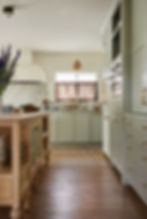
The projects shown here demonstrate the versatility of this nature-inspired hue. In one kitchen, olive cabinetry is paired with boldly veined marble and traditional sconces, creating a richly atmospheric space. Another layers sage cabinetry with terracotta floors and black stone counters, a nod to old-world craftsmanship. Even the quietest versions, like pale celadon cabinetry paired with softly veined marble, introduce an undercurrent of calm sophistication.


Favorite Green Paint Colors for Timeless Kitchens
When selecting a green, undertones matter. Some shades lean historic and moody, while others bring in softness or a contemporary edge. These are a few favorite paints that echo the spirit of the kitchens pictured here.

Farrow & Ball
A gentle, misty green-gray that feels airy and soft, perfect for spaces that want subtle color.
A delicate, chalky green inspired by garden leaves, ideal for a light yet traditional kitchen feel.
A deep, mossy green with a muted, historic character that pairs beautifully with brass and warm woods.
Despite the name, this is a soft green with gray undertones that shifts elegantly in different light.
A brown-based green with military undertones, grounding and bold without being harsh.
Sherman Williams
AA historic, chalky green reminiscent of early American interiors.
Benjamin Moore
A soft, light green with a touch of gray, serene and versatile.
Cheerful and garden-like, this green brings energy and freshness to cabinetry.
Historic and traditional, a mid-toned green that nods to heritage architecture.
An earthy, gray-green with brown depth, creating a refined, moody atmosphere.
Portola Paints
A moody gray-green, sophisticated and modern, perfect for a subtle, grounded look.
A bold, leafy green with depth and vitality, full of garden character.
Design Details That Elevate Green Kitchens
What makes a green kitchen truly memorable isn’t only the paint color. It is the way that color interacts with every other element in the room. From the movement of marble to the glow of brass, each layer either amplifies or tempers the cabinetry, shaping the overall mood. The most successful spaces are those where the details feel intentional yet effortless, where surfaces and finishes come together to create harmony. Looking at the kitchens here, it is clear that the magic happens in the interplay of texture, material, and proportion. All the subtle decisions elevate green from a shade on the wall to the soul of the home.

Marble Drama
Few pairings feel as striking as green cabinetry against boldly veined marble. The natural movement of stone introduces a sense of artistry, giving each surface the look of a living canvas. Whether running up the wall as a full-height backsplash or set as a thick-cut counter, the marble plays off olive and moss tones, adding both contrast and cohesion. Together, the materials create kitchens that feel sculptural yet enduring.
Warm Metals
Brass, bronze, and even aged copper bring out the warmth hidden in green. Hardware, faucets, and lighting fixtures become quiet jewelry for the room, catching the light and changing with time. Unlike polished chrome, which can feel cold against deeper hues, these metals soften and enrich the palette. Their subtle glow enhances the cabinetry’s depth, making the kitchen feel both timeless and lived-in.


Historic Echoes
Details drawn from traditional kitchens add soul and character to green spaces. A plate rack filled with everyday china, a sink skirt sewn from linen, or a small portrait perched on a ledge recalls the charm of earlier eras. These gestures ground the design in history while keeping it deeply personal. They remind us that kitchens are not only for cooking but for collecting and displaying the layers of life.
Earth Underfoot
Flooring has a quiet but profound effect on the overall mood. Terracotta tiles infuse warmth and rusticity, checkerboard stone introduces playful geometry, and dark wood planks bring richness underfoot. Each choice enhances the cabinetry above it, anchoring the green in the broader material palette. This connection to earth tones reinforces the sense of rootedness that makes green kitchens so inviting.
Natural Accents
Styling matters as much as structure. Branches arranged in a vase, handmade pottery resting on open shelves, or copper pans gleaming against marble all extend the kitchen’s dialogue with nature. These accents remind us that a kitchen need not feel sterile. It can be layered with texture, history, and life. By incorporating organic touches, the space feels collected rather than contrived, alive rather than static.
Grounded in Nature, Elevated in Design
A green kitchen is never just about color. It is about atmosphere. Whether you prefer the gravitas of a deep olive, the freshness of sage, or the quiet sophistication of celadon, green cabinetry transforms a kitchen into a space that feels both grounded and alive. Paired with thoughtful materials and authentic details, it is a choice that endures beyond trends.
Green also has the rare ability to shift with time and light. In the morning, a pale celadon may feel bright and airy; by evening, the same hue can take on a more intimate quality. Deeper shades like Treron or Crownsville Gray carry weight and character, yet they never feel oppressive when balanced with natural stone or warm metals. Even the palest tones, such as Mizzle or Vale Mist, hold their own, offering quiet elegance in both contemporary and historic settings.
Ultimately, a green kitchen speaks more to timeless character than to trends. It roots the space in nature, invites a sense of permanence, and creates a backdrop for both daily life and celebration. In that way, it becomes more than cabinetry or paint. It becomes part of the story of home.